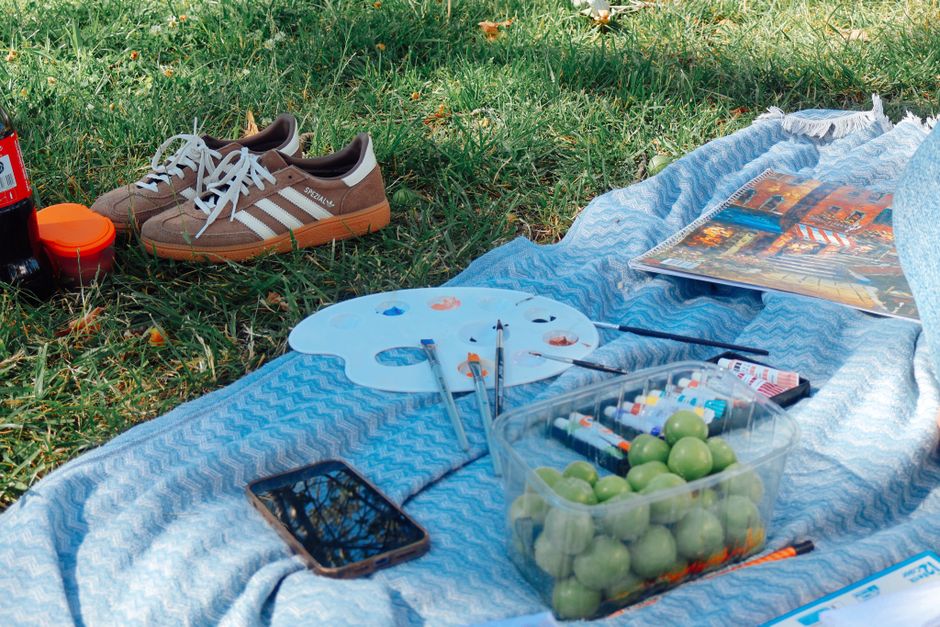
Brockwell Park Picnic Stain Removal and Carpet Cleaning Tips
Picnic season in Brockwell Park is brilliant until the crumbs, grass marks, lemonade splashes, and mystery patches come home with you. One minute it is a laid-back blanket on the lawn; the next, your hallway carpet is carrying the evidence. This guide brings together Brockwell Park picnic stain removal and carpet cleaning tips that are practical, realistic, and easy to follow, whether you are dealing with a fresh spill or a stubborn mark that has settled in overnight.
You will find a simple action plan, a few expert habits that really do help, and some honest advice on when to stop fiddling and bring in proper help. That last bit matters more than people think.
Why Brockwell Park Picnic Stain Removal and Carpet Cleaning Tips Matters
A picnic blanket is a lovely idea. It is also, frankly, a magnet for soil, food grease, sunscreen smears, damp patches, and the occasional fallen berry. In a park setting like Brockwell Park, you are dealing with grass, pollen, drinks, and packed bags being opened and shut while everyone is half-watching a frisbee or chasing a child. The result is often a mix of stains rather than one neat little mark.
Why does that matter? Because carpet fibres are not forgiving if you leave organic stains too long. Grass stains can bind to fibres, sugary drinks can attract dirt, and oily foods can spread quietly under the surface. If you wait, the mark may look smaller but become harder to remove. To be fair, most people only notice once the carpet has dried and the stain has set into a dull shadow.
There is also the hygiene side. Summer food stains can leave odours, and damp picnic blankets brought indoors can transfer that musty smell straight into carpets, rugs, and upholstery. If your home has light-coloured flooring, the problem becomes visible very quickly. If it is darker, you might still notice the texture change underfoot. A patchy carpet never feels quite right, does it?
Getting this right saves time, protects carpet fibres, and reduces the chance of turning a small spill into a permanent mark. It also helps you choose the right method first time rather than trying three different cleaners and making a much bigger mess. We have seen that happen more than once.
How Brockwell Park Picnic Stain Removal and Carpet Cleaning Tips Works
The basic idea is simple: identify the stain type, remove excess material gently, and use the least aggressive cleaning method that can still do the job. Picnic stains are often a blend of different soils, so the trick is not brute force. It is sequence.
For example, a grass-and-juice stain behaves differently from a buttery sandwich spill. Organic stains often need moisture control and careful blotting. Oily stains usually need absorption first, because water alone can push them deeper. Mud and dried grass may need dry removal before any liquid goes near the carpet. Sounds obvious, but when the carpet is in front of you and the stain is annoying you, people rush.
There is also the carpet itself to think about. Wool, synthetic fibres, mixed fibres, rugs, and upholstery all react differently. A product that works fine on one surface may dull colour or distort another. This is where a bit of restraint pays off. Test first. Always.
Professional carpet cleaning methods such as hot water extraction or steam-based cleaning can help with deeper residue, but they are not the first step for every stain. For fresh picnic marks, careful spot treatment often gives the best result. For older or widespread staining, full carpet cleaning may be the smarter route, especially if the carpet has picked up a general summer-season grime rather than one isolated spill.
Key Benefits and Practical Advantages
Good stain removal is not just about appearance. It has a few practical knock-on benefits that people often overlook.
- Better carpet lifespan: stains and residue can weaken fibres over time, especially if they are scrubbed repeatedly or left to dry in layers.
- Improved smell: food and drink spills can sour a room more than people expect, particularly in warm weather.
- Less re-soiling: if sticky residue is removed properly, dirt is less likely to cling to the same patch again.
- Cleaner indoor air feel: carpets hold fine dust and outdoor debris, so a deep clean can make the whole room feel fresher.
- Fewer emergency clean-ups: a sensible routine means you are not panic-blotting with a random towel at 11 p.m.
There is another benefit that is less glamorous but very real: confidence. Once you know what to do with picnic stains, you stop treating every mark like a catastrophe. That calmness matters, especially if children, pets, or guests are involved. In our experience, the less frantic the first five minutes are, the better the final result tends to be.
If you are already thinking beyond spot cleaning and want a fuller refresh, the team behind carpet cleaning can be a sensible next step, especially where the carpet has multiple marks, traffic wear, or lingering odours. For specific problem patches, stain removal and steam carpet cleaning are both worth knowing about, depending on the fabric and the type of residue.
Who This Is For and When It Makes Sense
This advice is for anyone who has had a summer outing in or around Brockwell Park and brought a little of the park back home on clothing, rugs, upholstery, or carpet. That includes families with picnic bags full of snacks, couples with wine or fruit, dog walkers carrying muddy blankets, and anyone who uses a picnic rug indoors after a day out.
It also makes sense for landlords, tenants, hosts, and busy households that need a practical clean-up system rather than a perfect one. If you are moving out, getting ready for guests, or just trying to keep a decent standard without spending the whole weekend cleaning, then having a clear method helps. A lot.
You may need a deeper clean if:
- the stain has already dried
- the spill is greasy or sugary
- the carpet smells sour or musty
- the stain has spread after over-wetting
- you have already scrubbed it and the pile looks rough
- the mark has come back after drying, which usually means residue was left behind
If the problem is part of a bigger end-of-visit tidy-up, services such as one-off cleaning or deep cleaning can be helpful because they address the whole area rather than only the obvious stain. That can be the difference between a quick fix and a proper reset.
Step-by-Step Guidance
Here is the method I would use first for most picnic-related carpet stains. Nothing fancy. Just steady, sensible steps.
- Act quickly. The sooner you deal with the stain, the easier it is. Even a ten-minute delay can matter with juice, wine, or sauce.
- Lift off solids. Use a spoon, dull knife, or dry cloth to remove crumbs, grass clumps, or sticky bits. Do not grind them in.
- Blot, do not rub. Press with white paper towels or a clean cloth. Rubbing damages pile and spreads the stain outward.
- Identify the stain type. Food, drink, mud, sunscreen, and grass each need a slightly different approach.
- Test a small hidden patch. This is especially important on wool or coloured carpets. A tiny test patch can save you a costly mistake.
- Apply a small amount of suitable cleaner. Use only what you need. Less is usually better than more.
- Work from the outside in. This keeps the mark from blooming into a bigger halo.
- Blot again with clean cloths. Keep changing to a fresh dry area so you are pulling residue out, not just moving it around.
- Rinse lightly if needed. A small amount of clean water can help remove cleaning residue. Avoid soaking the carpet.
- Dry thoroughly. Use ventilation, open windows if possible, and keep foot traffic off the area while it dries.
For a greasy stain, a little dry absorbent powder can help before any wet treatment. For grass stains, patience matters more than force. For sugary drink spills, the important thing is residue removal, because leftover sweetness will attract dirt and make the spot reappear.
And if you are dealing with a rug rather than fitted carpet, be a bit more cautious. Rugs can have dyes and backing materials that do not enjoy heavy moisture. When in doubt, a specialist rug cleaning approach is safer than improvising with whatever is under the sink.
Expert Tips for Better Results
These are the details that make a real difference, especially when the stain is awkward or the carpet is precious.
- Use white cloths only. Coloured towels can transfer dye, especially if they get damp.
- Work in daylight where possible. It is easier to see whether a stain is lifting or just moving around.
- Don't over-wet the pile. Too much liquid can push staining into the underlay and lengthen drying time.
- Treat smell separately from colour. A stain can look removed but still smell faintly of food or drink.
- Let the carpet dry fully before judging success. Sometimes a patch looks clean when wet and then reveals a faint ring later.
- Vacuum once dry. It helps lift the pile and removes any dry residue left behind.
If picnic stains keep happening in the same room, the issue may not be the stain itself. It may be normal traffic, food habits, or a carpet that needs a broader refresh. That is when domestic cleaning or periodic regular cleaning can take the pressure off. Not every home needs a grand overhaul. Some just need a better rhythm.
One small practical observation: bring spare cloths and a sealable bag when you go out. It sounds fussy, yes, but it means muddy napkins and sauce-stained wipes do not end up scrunched in a pocket with the keys. Been there, regretted that.
Common Mistakes to Avoid
Most stain disasters do not start with the stain. They start with the response to the stain.
- Scrubbing hard: this flattens fibres and pushes the spill deeper.
- Using too much product: excess cleaner leaves sticky residue that attracts dirt later.
- Mixing random products: that can be unsafe and may create a worse cleaning problem.
- Ignoring the backing and underlay: a surface that looks dry can still be damp below.
- Using heat too soon: hairdryers and hot tools can set some stains.
- Not testing first: colour loss is a very unhelpful surprise.
Another common mistake is assuming every mark is a carpet problem when some are actually on the rug, sofa, or curtain nearby. Picnic habits have a way of spreading through the room. If your seating has picked up crumbs and drink marks too, it may be worth pairing carpet treatment with sofa cleaning or upholstery cleaning. If curtains have absorbed smell from nearby spills or open windows during a damp evening, curtain cleaning can help round things off.
Tools, Resources and Recommendations
You do not need a giant kit. A sensible small set works better than a cupboard full of half-used sprays.
| Tool or product | Best use | Why it helps |
|---|---|---|
| Microfibre cloths | Blotting spills | Absorbent, low-lint, and kinder to fibres |
| White paper towels | Initial spill control | Good for checking how much stain is lifting |
| Spoon or dull scraper | Lifting solids | Removes residue without grinding it in |
| Vacuum cleaner | Dry clean-up | Gets rid of crumbs, grit, and dried residue |
| Fan or open window | Drying | Shortens drying time and reduces odour |
| Carpet-safe cleaning solution | Spot treatment | Helps dissolve residue without harming fibres |
If the carpet has broader wear or multiple picnic marks, it may be time to compare a few options. A light spot treatment is good for one fresh spill. A full professional clean is better for heavy summer use. For homes with pets, pet stain odour removal can be useful too, because outdoor picnics and pets have a way of creating the same kind of challenge: mixed stains, mixed smells, mixed chaos.
For households that want a full refresh across different surfaces, there is a wider range of services available, including house cleaning, move out cleaning, and move in cleaning. Those are especially useful if picnic season has landed right before a move, a guest stay, or a big family event. Timing, as ever, has a sense of humour.
Law, Compliance, Standards, or Best Practice
For domestic stain removal, there is usually no complex legal issue, but good practice still matters. In the UK, it is sensible to follow product instructions carefully, keep cleaning chemicals away from children and pets, and avoid mixing bleach-based products with other cleaners. That last point is basic safety, not over-cautiousness.
If you are hiring a professional cleaner, you should expect them to work carefully, communicate clearly, and take reasonable precautions around furniture, fabrics, and slip hazards. Insurance and safety are worth asking about, especially if the work involves carpets near stairs, entryways, or delicate finishes. A proper provider should be able to talk plainly about how they protect your home.
For larger clean-ups, especially in multi-occupancy buildings or managed properties, best practice usually means documenting the condition before and after cleaning, using suitable equipment, and avoiding excessive moisture that could affect adjoining areas. If your situation is part of a more formal handover, end of tenancy cleaning may be the better route because it addresses the whole property standard rather than just the stain itself.
You can also look at a company's published policies if you want reassurance about how they handle safety, payments, and complaints. Those pages are not there for decoration; they give you a feel for how the business runs. Calm, clear policy usually says a lot.
Options, Methods, or Comparison Table
Different stains call for different approaches. Here is a simple comparison to help you choose without overthinking it.
| Method | Best for | Strengths | Watch out for |
|---|---|---|---|
| Blotting and light spot treatment | Fresh juice, sauce, or drink spills | Fast, gentle, low cost | May not fully remove set-in stains |
| Dry absorption first | Grease, oil, sunscreen, buttery food | Stops spread before wet cleaning | Needs patience and a second step |
| Targeted stain removal | Grass marks, mixed picnic stains | Good balance of precision and effectiveness | Test first to avoid discolouration |
| Steam carpet cleaning | Older residue, traffic wear, widespread dullness | Deeper refresh and improved overall feel | Longer drying time; not ideal for every fabric |
| Professional deep cleaning | Large areas, recurring stains, odours | More thorough and less guesswork | Higher cost than DIY spot cleaning |
If the stain is only on one spot and you catch it quickly, a simple home method may be enough. If the carpet is already a bit tired or the spill has left a ring, a pro clean is often better value than using three bottles and two hours of frustration. Honestly, sometimes the cheapest option is the one that works first time.
Case Study or Real-World Example
A very ordinary example: a family returns from Brockwell Park after a sunny Saturday afternoon. The picnic blanket is folded in a hurry, a berry juice carton tips slightly, and a bit of sauce from a sandwich ends up on the living room carpet near the coffee table. By the time everyone has changed shoes and found the dog's missing tennis ball, the stain has started to dry.
The first instinct is to scrub. Instead, they blot the spill, lift the solids, and use a small amount of carpet-safe cleaner. The berry stain leaves a faint pink patch, so they repeat the blot-and-rinse process rather than flooding the area. The sauce mark needs a second pass because it was oily. The room is left with windows open for airflow, and the carpet is vacuumed the next day once fully dry.
Result? The stain is not magic-wand gone, but it is no longer obvious. More importantly, no rough patch, no sticky residue, and no dark ring. A week later, they decide the whole sitting room could use a fuller clean anyway, especially after several summer visits. That is where a proper steam carpet cleaning approach makes sense, because it tackles the general build-up around the spot rather than chasing the mark alone.
That is the practical truth: good stain removal is often a mix of speed, judgement, and knowing when to stop. Not glamorous, but effective.
Practical Checklist
- Remove crumbs, leaves, or solid food first
- Blot the stain with a clean white cloth
- Check whether the mark is food, drink, mud, or grease
- Test any cleaner on a hidden patch
- Use only a small amount of solution
- Work from the outside towards the centre
- Keep the carpet as dry as possible
- Ventilate the room well
- Do not scrub hard
- Vacuum once fully dry
- Reassess after drying for rings or odour
- Book professional help if the stain remains or spreads
And if you are managing several rooms, take a minute to look at the carpet in the hall, the rug in the lounge, and the sofa corner near the window. Problems travel. That is just how it goes.
Conclusion
Brockwell Park picnic stain removal and carpet cleaning tips are really about one thing: dealing with summer mess quickly, gently, and without turning a small spill into a larger household drama. A few minutes of careful blotting and the right cleaner can save a lot of stress later, and a deeper clean can bring a worn room back to life after a busy season.
If you keep the method simple, test before treating, and avoid the usual mistakes, you will handle most picnic stains far better than the average panic-and-scrub approach. And when the carpet needs more than spot treatment, a professional clean is often the sensible, no-nonsense choice.
If you are comparing your options, checking policy pages, or looking for a fuller home refresh after a summer of park trips and visitors, it can help to review trusted service information, including pricing and quotes and about us. That gives you a clearer picture before you decide anything.
Get a free quote today and see how much you can save.
Sometimes the best clean is the one that quietly gives the room back to you.
Frequently Asked Questions
What is the best first step for a fresh picnic stain on carpet?
Blot the spill immediately with a clean white cloth or paper towel, then remove any solid bits gently. Do not rub, because that spreads the stain and roughs up the fibres.
How do I treat grass stains from a Brockwell Park picnic?
Start by lifting dry dirt or grass, then use a small amount of carpet-safe cleaner and blot patiently. Grass stains often need a few careful passes rather than one aggressive scrub.
Can I use washing-up liquid on carpet stains?
Sometimes a very diluted solution can help with greasy marks, but you should test first and avoid over-wetting. If you use too much, residue can stay behind and attract dirt.
Why does my carpet look clean when wet but show a ring later?
That usually means residue or moisture was left in the fibres. The mark can reappear as the carpet dries, especially if the cleaning product was not fully removed.
Is steam carpet cleaning safe for all carpets?
No, not all carpets react the same way. Steam cleaning is often effective, but delicate fibres and some rugs need a gentler approach, so testing and material knowledge matter.
How long should I wait before walking on a cleaned carpet?
Wait until it is fully dry if you can. Light foot traffic can transfer dirt back into the damp fibres, which is a bit annoying after all that effort.
What should I do if the stain smells even after it looks gone?
That usually means residue is still sitting in the fibres or underlay. A deeper clean, or a targeted odour treatment, may be needed rather than another surface wipe.
When should I stop DIY cleaning and call a professional?
If the stain has set, the carpet is delicate, the odour remains, or repeated cleaning is making the patch worse, it is time to step back. There is no prize for forcing it.
Can picnic stains damage rugs as well as carpets?
Yes. Rugs can be even more sensitive because of dyes, backings, and lighter construction. Treat them carefully and use a rug-specific approach where possible.
Do I need a full carpet clean after one picnic spill?
Not always. A single fresh spill can often be treated locally. But if there are multiple marks, lingering dirt, or the carpet already looks tired, a full clean is usually the better value.
Are home stain removers better than professional cleaning?
They are better for some fresh, small spills. Professional cleaning is better for set-in stains, larger areas, odours, or carpets that need a proper reset rather than a quick patch.
What is the most common mistake people make with picnic stains?
Scrubbing too hard is probably the big one. It feels productive, but it usually makes the stain spread and can flatten the pile, which is a pain to undo.