Hard Floor Cleaning in Brixton
If you live or work in Brixton, you already know that hard floors do a lot of heavy lifting. They need to look smart in busy family homes, welcoming in flats and maisonettes, and professional in shops, offices, cafés, salons, clinics, and shared buildings. Over time, though, even the best-looking floor can start to lose its finish. Everyday foot traffic, street dust, spills, scuffs, pet marks, and moisture from shoes all build up. That is where hard floor cleaning in Brixton makes a real difference.
A well-cleaned hard floor changes the whole feel of a room. It can brighten a hallway, restore a reception space, improve hygiene in a kitchen, and help tiles, stone, wood, vinyl, and sealed surfaces last longer. Local customers often look for a service that is practical, reliable, and suited to the realities of Brixton properties: busy roads, shared entrances, period homes, modern apartments, commercial premises, and awkward access points. A local team understands those conditions and can tailor the work to suit them.
Whether you need help with a one-off deep clean, routine maintenance, or specialist treatment for a particular floor type, the aim is the same: cleaner surfaces, better presentation, and easier day-to-day upkeep. Request a free quote if you want a floor care solution that feels appropriate for your space, your schedule, and your floor finish.
Why hard floor care matters in Brixton

Brixton is a busy, lived-in part of South London, and that creates specific demands for floor care. Homes near the station, along main routes, or close to the market often deal with extra dust and grit. Flats and converted properties may have narrow stairways, limited storage, and shared hallways that see constant movement. Commercial spaces can face even more wear, with customers, staff, deliveries, and cleaning routines all putting pressure on the floor.
Regular sweeping and mopping are useful, but they do not remove everything. Certain residues cling to textured tile, grout lines, stone pores, or worn sealant. Some surfaces also lose their shine through simple, repeated cleaning with products that are not suited to the material. A professional hard floor cleaning service can lift embedded dirt, reduce dullness, and restore the appearance of the floor without causing unnecessary wear.
For many local customers, the main reason to book specialist cleaning is not just appearance. It is also about hygiene, safety, and preserving the value of the floor. A slippery film on a kitchen floor, a stained entrance in a shop, or a dull communal hallway can all create a poor impression. With the right process, you can improve the look of the space and make daily maintenance easier.
Types of hard floors we clean

Different floors need different approaches. What works on a sealed ceramic tile floor may be unsuitable for natural stone, and a wood floor should not be treated the same way as polished concrete or vinyl. That is why the first step is always understanding the material, its condition, and how it is used.
Common hard floor surfaces in Brixton properties include:
- Ceramic and porcelain tiles in kitchens, bathrooms, hallways, and commercial entrances
- Natural stone such as marble, limestone, slate, and travertine
- Wood and engineered wood in flats, period homes, and reception rooms
- Vinyl and LVT in homes, offices, schools, and retail areas
- Concrete and polished surfaces in modern interiors and commercial settings
- Sealed floors that need careful cleaning to maintain the protective finish
Each material benefits from the right chemistry, the right tools, and the right level of moisture. For example, a natural stone floor may need careful low-moisture cleaning to protect the stone and grout, while a tile floor might need more intensive agitation to remove dirt from textured areas. The point is not to use the strongest product available; it is to use the safest and most effective method for that surface.
Many customers in Brixton also ask about floors that have mixed materials in one property, such as tile in the kitchen, wood in the living room, and vinyl in a utility area. That is common in local homes and workspaces, and it is one of the reasons a tailored service is so valuable.
What is included in our hard floor cleaning service
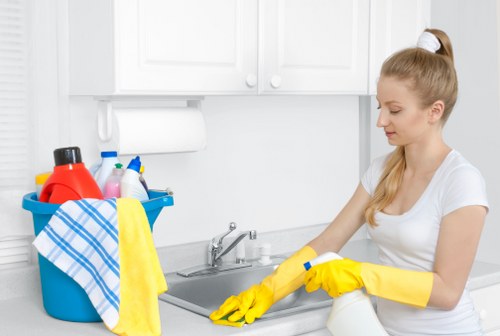
A proper hard floor cleaning service should do more than a quick mop and buff. It should focus on removing built-up soil, improving the appearance of the floor, and protecting the surface where possible. The exact method depends on the floor type and its condition, but a typical service may include a careful assessment, targeted cleaning, and finishing steps suited to the material.
Depending on the floor, the service may include:
- Inspection of the floor type, finish, and level of soiling
- Dry soil removal to clear grit, dust, and loose debris
- Deep cleaning using suitable solutions for the surface
- Agitation with appropriate pads or brushes to lift dirt from textured areas
- Attention to edges, corners, and grout lines where needed
- Rinsing or residue removal to leave a cleaner finish
- Drying support where appropriate
- Optional maintenance advice for keeping the floor in better condition
Important: not every floor needs the same level of intervention. Some floors only need a restorative clean, while others may need a more detailed process to remove stubborn marks, reduce slip risk, or prepare the surface for ongoing maintenance. A local floor care provider should explain the options clearly before work begins.
For customers looking for hard floor cleaning in Brixton, this flexibility is especially useful. A café on a busy high street may need a different approach from a Victorian flat with older tiles, and a shared office may need a service arranged outside opening hours. The best outcome comes from matching the process to the property, not forcing every floor into the same treatment.
How the service works
The process should be straightforward from the first enquiry to the finished clean. Customers often want to know what happens, how long it takes, and what they should do before the appointment. A good local service makes the whole experience easy to understand.
In most cases, the process follows these broad steps:
- Initial discussion – You explain the floor type, the size of the area, and the issues you want addressed, such as dullness, stains, or heavy dirt.
- Assessment – The floor is reviewed so the most suitable cleaning method can be chosen.
- Preparation – Furniture may be moved where agreed, and loose debris is removed before cleaning starts.
- Deep cleaning – The floor is treated with suitable products and equipment for the material and level of buildup.
- Detail work – Edges, corners, grout, and problem areas receive extra attention.
- Finishing – The floor is left as clean and presentable as possible, with drying time considered where needed.
- Aftercare advice – You receive practical guidance on routine maintenance and product choices.
For homes and businesses in Brixton, this kind of step-by-step approach matters because properties can vary so much. A basement flat, a top-floor apartment, a Victorian terrace, a shop unit, and a shared entrance all present different access and cleaning challenges. Planning the work properly helps avoid disruption and supports a better result.
It also helps when the team is used to local parking pressure, loading restrictions, and the realities of working around neighbours, customers, or staff. That local awareness can save time and reduce stress on the day.
Why choose a local Brixton company
When people compare floor cleaning services, they often focus on equipment and methods, which are important. But there is another factor that can make a big difference: local knowledge. A team that regularly works in Brixton and the surrounding area is likely to understand the practical side of the job much better than a company that treats every location the same.
Local knowledge can help with:
- Timing appointments around busy streets and local traffic
- Planning for limited parking or difficult access
- Working in converted buildings, maisonettes, and period properties
- Handling shared hallways, stairwells, and communal entrances
- Adapting to commercial spaces with opening hours or customer flow
- Providing faster response for repeat maintenance or one-off cleans
Brixton has a mix of older and newer properties, and that variety makes floor care more interesting. Older tiles may be uneven or delicate. Engineered wood may have a finish that needs careful handling. Modern vinyl may require a different cleaning product to preserve the surface. A local provider who works across these property types every week is better placed to spot risks early and choose the right method.
Choose local if you want a service that feels practical, responsive, and based on real experience in the area rather than a one-size-fits-all approach. If you need help deciding what your floor needs, book your service now or ask for a no-obligation quotation.
Residential hard floor cleaning for Brixton homes

Homeowners, landlords, and tenants in Brixton all benefit from clean, well-maintained hard floors. In family homes, floors take on constant use from shoes, pets, children, prams, and everyday life. In rented properties, appearance and hygiene can affect how well the home is maintained between tenancies. In owner-occupied flats and houses, a cleaner floor can make the whole interior feel fresher.
Residential cleaning is often requested for:
- Hallways and entrances that collect outdoor dirt
- Kitchens where grease and food residues can build up
- Bathrooms with moisture marks and dulling
- Living rooms and dining areas with scuffs and traffic wear
- Balconies and utility areas where dust and debris collect
- End-of-tenancy refreshes and move-in preparation
People living in Brixton apartments or converted houses may also need careful work in smaller spaces. That can mean making sure furniture is protected, noise is kept reasonable, and drying times are planned around normal life. A thoughtful service is just as important as a powerful one.
For older properties, the main concern may be preserving the original finish. For newer homes, the aim might be restoring a clean, contemporary look without leaving residue behind. Either way, the process should be chosen with the property in mind, not just the floor surface on its own.
Commercial hard floor cleaning for local businesses
Brixton is home to a wide range of businesses, from retail units and cafés to salons, clinics, offices, studios, and hospitality spaces. In those settings, the floor does more than support foot traffic. It also shapes first impressions and plays a role in hygiene and safety. A clean floor can help a business look organised, cared for, and ready for customers or staff.
Commercial clients often need floor cleaning for:
- Customer-facing entrances and reception areas
- Back-of-house kitchens and preparation zones
- Waiting rooms and consultation spaces
- Office corridors, meeting rooms, and shared kitchens
- Retail floors with repeated foot traffic and trolley marks
- Communal buildings, managed properties, and shared spaces
Timing can be especially important for businesses. A local team may be able to fit work around opening hours, quieter periods, or access arrangements that minimise disruption. That can be particularly useful in busy parts of Brixton where customers come and go throughout the day and staff need clear walkways.
Professional floor care can also help support safer movement in areas where spills or moisture are common. While no cleaning can replace proper housekeeping, removing residue and reducing built-up grime can make a real difference to the feel and practicality of a commercial floor.
Areas covered around Brixton
Hard floor cleaning needs vary across the local area, especially where property styles and traffic levels differ from street to street. Customers in and around Brixton often come from a mix of residential blocks, terraces, commercial parades, and shared premises.
Typical nearby areas and neighbourhoods that may be covered include:
- Clapham
- Stockwell
- Herne Hill
- Coldharbour Lane and surrounding streets
- Loughborough Junction
- Tulse Hill
- Denmark Hill
- Camberwell
- Kennington
- Elephant and Castle
This wider local coverage is useful for customers who split their time between homes, rent out properties, manage commercial units, or oversee common areas in different buildings. It also means the service is relevant whether you need a one-off visit or regular maintenance across multiple premises.
Because Brixton is such a well-used area with strong transport links and busy roads, access can be one of the biggest practical issues. A local provider who already knows the area can plan better for loading, parking, and appointment timing. That helps keep the visit efficient and avoids unnecessary delays.
Common floor problems we help with
People usually start looking for specialist floor cleaning when routine mopping is no longer enough. That is often the moment when stains, scratches, dullness, or sticky residue become too obvious to ignore. The good news is that many common issues can be improved with the right treatment.
Typical problems include:
- General dirt that has settled into textured surfaces
- Grease and kitchen buildup
- Black marks from shoes, furniture, or trolleys
- Dull patches caused by incorrect cleaning products
- Grout discolouration around tiles
- Water marks or mineral buildup
- Slippery residue from overuse of detergent
- Scuffs and traffic lines in corridors or entrances
Not every mark can be removed completely, especially if a floor has been damaged or worn for a long time. However, a professional clean can still improve appearance and help bring the surface back to a more even, attractive finish. In some cases, the cleaner the floor becomes, the easier it is to decide whether future maintenance, resealing, or ongoing upkeep will be needed.
Tip for customers: if you have a particular issue such as a stained tile, a worn entrance, or a floor that has been cleaned badly in the past, mention that when you enquire. It helps the team plan the right treatment from the start.
What affects the price of hard floor cleaning
Customers often want a clear idea of what influences cost before booking. While exact pricing depends on the floor and the property, several practical factors usually play a role. Being aware of them makes it easier to compare options and understand the quotation you receive.
Common pricing factors include:
- Floor type – Stone, wood, tile, and vinyl all require different approaches
- Area size – Larger spaces usually take more time and materials
- Soiling level – Light maintenance cleaning is different from heavy restoration work
- Accessibility – Upper floors, narrow stairways, and difficult parking may affect logistics
- Furniture and obstacles – More moving time may be needed in furnished properties
- Urgency – Time-sensitive appointments can affect scheduling
- Commercial requirements – Out-of-hours work or multi-area cleaning can add complexity
Good providers are upfront about these factors and should be able to explain why a job is priced the way it is. That transparency is especially helpful for landlords, property managers, and business owners who need to plan ahead and keep maintenance budgets sensible.
If you are comparing quotes for hard floor cleaning in Brixton, focus on what is included, what floor type is being treated, and whether the work is truly suited to your surface. A lower price is not helpful if the method is too harsh or too superficial for the condition of the floor.
How to prepare before your appointment
Simple preparation can make the clean smoother and help the team work more efficiently. It also protects your belongings and reduces the time needed on site. If you are unsure what to do, ask when booking so expectations are clear.
A useful preparation checklist may include:
- Clear smaller items from the floor where possible.
- Move lightweight furniture if this has been agreed in advance.
- Vacuum or sweep up loose debris if requested, especially in busy homes.
- Remove fragile items from edges, shelves, or nearby surfaces.
- Make sure access is available to the cleaning area.
- Let the team know about sensitive floor finishes or areas that need extra care.
- Arrange pets, children, or staff movement so the work area stays safe.
For businesses, preparation may also include letting staff know which areas will be unavailable, setting aside time for drying, and planning around customer footfall. In shared buildings, residents or managers may need to be informed in advance so hallways and entrances are clear.
Small preparation steps can make a notable difference to the final result and help the appointment run to time. If you would prefer support with furniture movement or access planning, say so at the enquiry stage rather than leaving it until the day.
Maintenance tips after cleaning
Once a hard floor has been professionally cleaned, a little regular care helps the result last longer. The aim is not to replace specialist cleaning, but to slow down new dirt buildup and keep the floor looking better between visits. Most customers appreciate practical advice that fits real life rather than a long list of unrealistic instructions.
Simple maintenance habits include:
- Use entrance mats where possible to catch grit before it spreads
- Sweep or vacuum regularly to remove abrasive dirt
- Use a cleaner suitable for your floor type, not a generic all-purpose product
- Avoid flooding floors with water, especially wood and natural stone
- Wipe spills quickly to reduce staining or slip risk
- Use felt pads or suitable protection under furniture legs
- Schedule periodic professional cleaning to keep the surface in better condition
These steps are especially helpful in Brixton properties with heavy foot traffic, shared entrances, or family routines that put the floor under pressure. In commercial spaces, maintenance also helps staff keep the area presentable between deeper cleans.
For floors that have been resealed, polished, or treated with specialist products, your aftercare routine should match the finish. If you are unsure, ask for maintenance advice based on the exact floor type rather than guessing. That can save time and prevent avoidable damage.
Frequently asked questions
How often should hard floors be professionally cleaned?
That depends on how much traffic the floor gets, what it is made from, and how it is used. A busy hallway, shop floor, or kitchen may need more frequent attention than a lightly used room. Many customers choose periodic deep cleaning alongside regular home or workplace cleaning.
Can you clean older floors without damaging them?
Yes, provided the correct method is used. Older floors often need careful assessment, especially if the finish is worn, the grout is fragile, or the surface has been previously treated. A responsible service will choose a suitable approach for the condition of the floor.
Do I need to move furniture?
Sometimes yes, sometimes no. It depends on the room layout, the furniture type, and the agreed scope of work. It is best to discuss this beforehand so that preparation can be planned properly.
How long does the floor take to dry?
Drying time varies by surface, cleaning method, room temperature, and airflow. Some floors dry relatively quickly, while others need more time before they can be walked on freely. Your cleaner should explain this before and after the visit.
Is the service suitable for landlords and letting agents?
Yes. Hard floor cleaning is often requested for end-of-tenancy refreshes, pre-let preparation, and general property maintenance. It can help present the property more clearly for new occupants.
Can you help with commercial floors outside working hours?
In many cases, yes, depending on availability and the type of work required. This is especially useful for Brixton businesses that want to reduce disruption for customers and staff.
Book hard floor cleaning in Brixton
If your floor is looking dull, marked, sticky, or simply harder to keep clean than it used to be, professional help can make a noticeable difference. From kitchens and hallways to retail spaces, offices, and communal areas, the right treatment can improve appearance, support hygiene, and reduce the effort needed for daily upkeep.
Choosing a local service means choosing someone who understands Brixton properties, access issues, and the pace of local life. That matters whether you need a one-off deep clean, ongoing maintenance, or support with a more challenging floor surface. It also means you are more likely to get practical advice that suits your building rather than a generic answer.
Contact us today to discuss your floor type, ask about the service process, and request a free quote. If you are ready to improve the look and feel of your floors, book your service now and take the first step toward a cleaner, more presentable space.
Hard floor cleaning in Brixton is about more than appearance. It is about keeping your home or business easier to manage, more welcoming, and better suited to everyday use. When the floor looks right, the whole property benefits.